







What Builders Must Know (O. Reg. 157/25)
Ontario’s construction industry is entering a new phase of workplace safety. Beginning January 1, 2026, many construction projects across the province will be required to have an Automated External Defibrillator (AED) on site under Ontario Regulation 157/25, made pursuant to the Occupational Health and Safety Act (OHSA).
This page is your complete, plain-language guide to Ontario’s construction AED requirements. It explains:
-
Which projects require an AED
-
What type of AED meets legal standards
-
Storage, signage, inspection, and training obligations
-
Reimbursement eligibility
-
Enforcement and compliance risks
-
How to manage AEDs across one or many job sites
If you operate construction projects in Ontario, this guide explains what is required, why it matters, and how to comply efficiently with The AED Shop.
When Is an AED Required on an Ontario Construction Project?
Under O. Reg. 157/25, an AED must be provided on a construction project when both of the following conditions are met:
-
The project regularly employs 20 or more workers, and
-
The project is expected to continue for three months or longer
If both thresholds apply, having an AED on site becomes a legal requirement as of January 1, 2026. Projects that do not meet both criteria may be exempt, but many commercial, industrial, infrastructure, and large residential builds fall within scope.
Why Ontario Added AEDs to Construction Safety Rules
Sudden cardiac arrest is unpredictable and time-critical. On construction sites, physical exertion, heat stress, and delayed EMS access can increase risk.
Ontario updated construction safety regulations to:
-
Improve survival outcomes through early defibrillation
-
Reduce reliance on emergency response times
-
Strengthen on-site emergency preparedness
-
Align construction safety with modern public-access AED standards
AEDs are now treated as essential life-saving equipment, not optional add-ons.
What Kind of AED Is Acceptable Under Ontario Law?
Not every AED on the market is acceptable for construction compliance.
Health Canada Licensing Is Mandatory
Ontario regulations require that any AED used on a construction site must:
-
Be licensed as a medical device by Health Canada
-
Hold an active licence at the time of purchase and use
Unlicensed or consumer-grade devices do not meet regulatory requirements and may expose constructors to enforcement action.
Construction-Appropriate AED Options
The AED Shop supplies Health Canada–licensed AEDs commonly used on Canadian construction sites, including trusted manufacturers such as:
-
ZOLL
-
Philips
-
Stryker / LIFEPAK
👉 View Ontario-compliant construction AEDs:
https://aedshop.ca/collections/construction-sites
AED Storage and Placement Rules on Job Sites
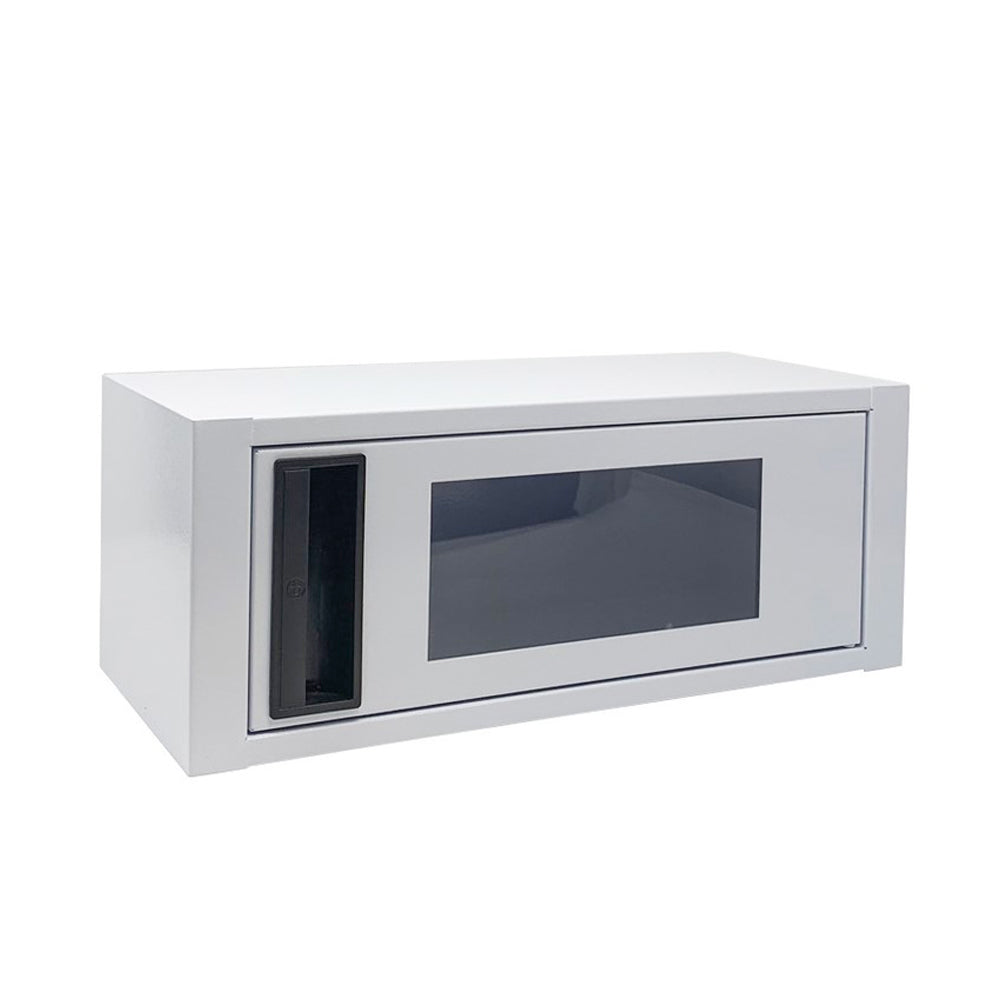
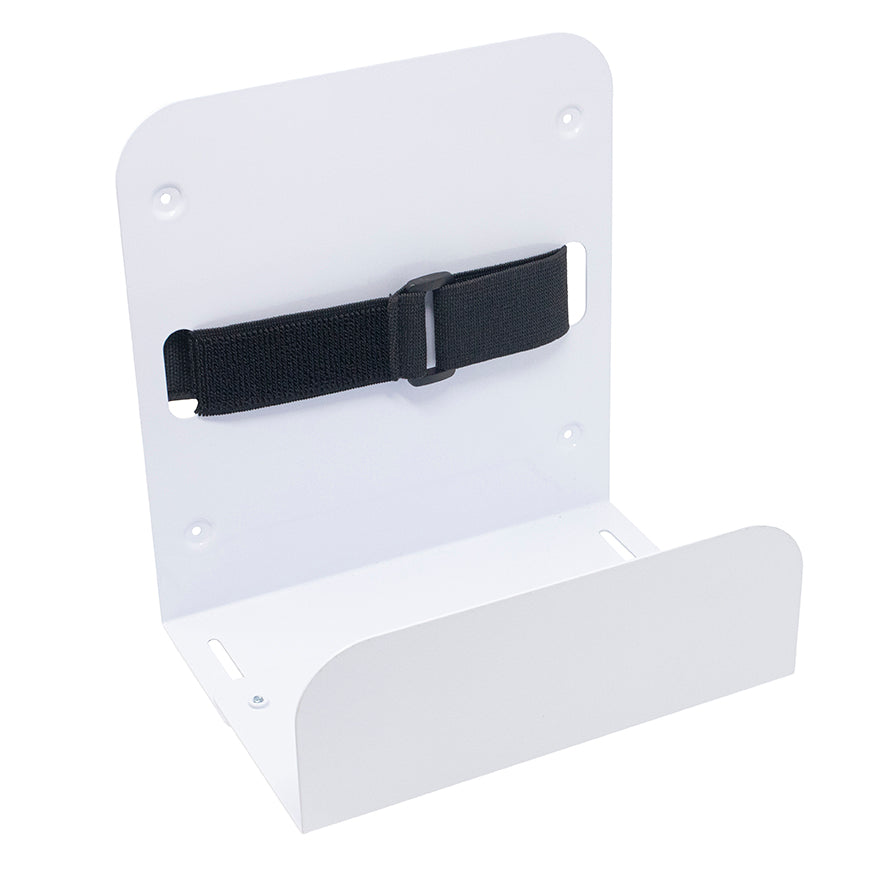
Compliance extends beyond purchasing an AED. The device must be:
-
Stored as a complete, single kit
-
Located where it is visible and immediately accessible
-
Protected from dust, moisture, vibration, and contaminants
-
Shielded from temperature extremes, especially outdoors
Improper storage can result in an AED that is present but non-functional, which does not satisfy compliance requirements.
AED Signage Requirements (English or French)
Clear signage is mandatory so workers and responders can locate the AED quickly.
Approved signage must include:
-
A heart and lightning bolt symbol
-
Text in English or French, such as:
-
“Automated External Defibrillator / AED”
-
“Défibrillateur Externe Automatisé / DEA”
-
Proper signage is critical in high-stress emergencies where seconds matter.
Inspection and Documentation Requirements
Ontario requires quarterly AED inspections, supported by written records. Inspection documentation must show:
-
Inspection date
-
Name and signature of the competent worker
-
Confirmation the AED and accessories are complete and functional
Missing inspections or incomplete records may result in non-compliance, even if the AED has never been used.
Training Requirements for Construction Sites
Under O. Reg. 157/25, construction projects must ensure that:
A worker trained in CPR and AED use is present whenever work is in progress.
This means constructors must plan for:
-
Coverage on all shifts
-
Absences, turnover, and schedule changes
-
Recordkeeping for training credentials
Training and equipment are inseparable — one without the other does not meet regulatory intent.
AED Reimbursement Program for Ontario Construction Projects
Ontario has introduced an AED reimbursement initiative to help offset compliance costs.
Projects may qualify if:
-
The constructor is responsible under OHSA
-
The project lasts at least three months
-
20 or more workers are regularly employed
-
A trained first aid worker is present
-
The AED is Health Canada licensed
-
The AED is purchased between July 1, 2025 and June 30, 2027
-
Only one AED is claimed per project
🗓 Applications are expected to open January 1.
Because reimbursement is limited to one AED per project, selecting the correct, compliant unit upfront is essential.
Enforcement and Compliance Risk
Failing to prepare early may lead to:
-
Failed site inspections
-
Work interruptions
-
Enforcement orders
-
Delayed project timelines
-
Lost reimbursement eligibility
Inspectors may review:
-
AED licensing
-
Storage and signage
-
Inspection records
-
Training documentation
-
Ongoing maintenance practices
Managing Multiple Job Sites with TrackMyAED™
For organizations operating multiple projects, compliance can quickly become complex.
AEDs purchased from The AED Shop include TrackMyAED™ at no additional cost, allowing you to:
-
Monitor inspections and expiry dates
-
Maintain digital compliance records
-
Receive automated reminders
-
Manage multiple locations from a single system
-
Reduce administrative workload and risk
Why Ontario Constructors Choose The AED Shop
The AED Shop is a Canadian supplier focused on job-site-ready AED solutions for construction environments.
When you purchase from AEDshop.ca, you receive:
-
Health Canada–licensed AEDs
-
Construction-appropriate storage and signage options
-
FREE TrackMyAED™ compliance tracking
-
Support for training coordination
-
One trusted Canadian partner for ongoing compliance
👉 Buy Ontario-compliant construction AEDs from The AED Shop:
https://aedshop.ca/collections/construction-sites
📖 Official Regulation (O. Reg. 157/25):
https://www.ontario.ca/laws/regulation/r25157
Frequently Asked Questions
Are AEDs required on all Ontario construction sites?
No. They are required only when a project employs 20 or more workers and lasts three months or longer.
Can any AED be used?
No. The AED must be licensed by Health Canada.
How often must AEDs be inspected?
At least once every three months, with written records.
Is CPR/AED training mandatory?
Yes. A trained worker must be present whenever work is underway.
Is reimbursement available?
Yes, for eligible projects, limited to one AED per project.
Key Takeaway
AEDs are now a standard safety expectation on many Ontario construction projects. Compliance requires planning, proper equipment, trained workers, and documented inspections.
By acting early and partnering with The AED Shop, constructors can protect workers, meet legal obligations, and reduce compliance risk.
👉 Start your construction AED compliance today:
https://aedshop.ca/collections/construction-sites